


 +267 686 1971
 info@gondwanatoursandsafaris.com
.jpg)


Blog
A safari to Tanzania is a mind-fuck!

Posted on 17th November 2026
(from Steffi’s Travel Journal)
Exploring southern Tanzania, discovering new wilderness and getting a feel for where the African safari industry is heading.
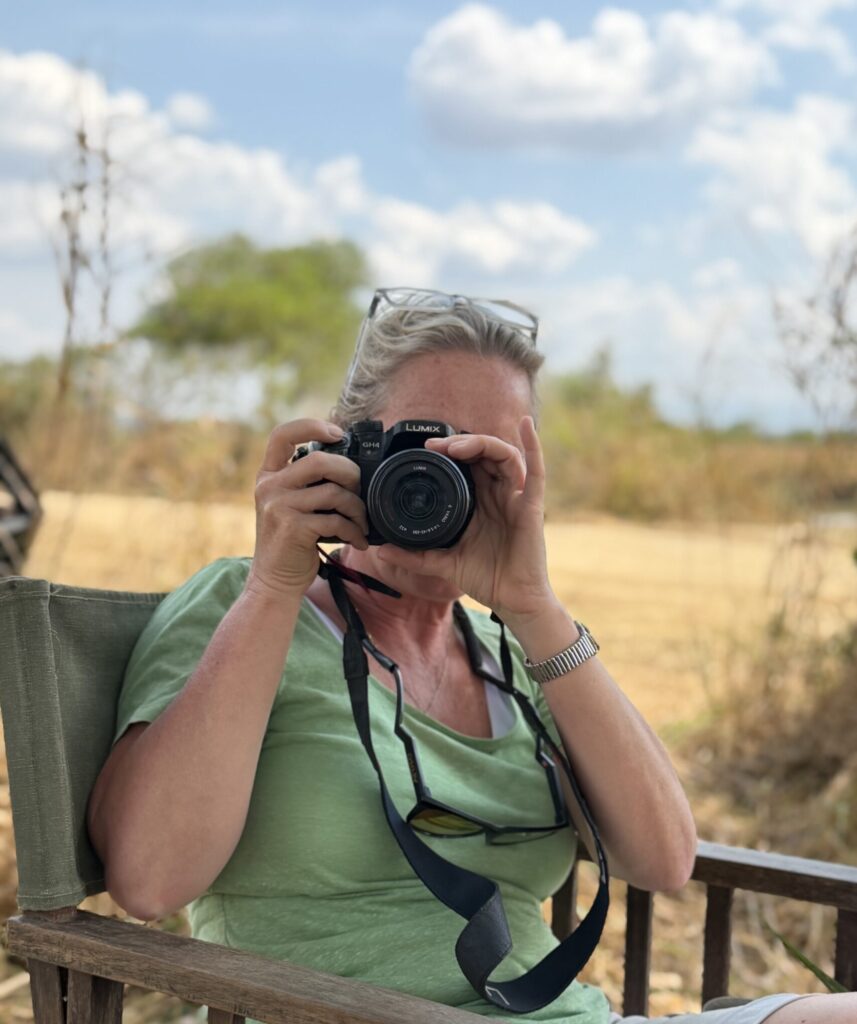 |
Whenever I spend time in Tanzania and return home, my mind races. It goes into overdrive, and I find myself processing everything I have seen, experienced and questioned. Tanzania is a country of contrasts, and sometimes those contrasts are difficult to reconcile. This time, I travelled south to explore some of the lesser-known safari areas, including Ruaha, and to experience a different side of Tanzania beyond the famous northern circuit. I also headed to Zanzibar to attend the Essence of Africa trade show, catch up with industry colleagues and, most importantly, keep my finger on the pulse of what is happening on the ground. Where is Tanzania heading? What is changing? And how is it positioning itself as one of Africa’s leading high-end safari destinations? |
A country of contrasts
Tanzania is changing rapidly, and you can feel it everywhere. Tourism development is moving at a tremendous pace. Along parts of the mainland coastline and on the islands, new hotels and resorts seem to be popping up like mushrooms, while in some of the more remote wilderness areas, beautifully designed and well-managed luxury safari camps are quietly establishing themselves.
The social and economic divide is enormous. Traditional tribal life meets modern aspirations, rural communities exist alongside luxury tourism developments, and a large part of the population still has limited access to education and opportunities.
Having lived and worked in the African safari industry for many years, particularly in Botswana, I naturally find myself making comparisons.
Botswana has taken a very different approach to safari tourism, built around a high-value, low-volume model, with private concessions, limited bed capacity and an emphasis on exclusivity. Tanzania, on the other hand, has a much broader tourism offering, from mass-market tourism to some exceptionally high-end safari experiences. Both have their merits, and the contrasts are fascinating.
Southern Tanzania – a different safari experience
Ruaha was one of the highlights of my journey. There is something about this part of Tanzania that gets under your skin. Vast landscapes, beautiful scenery and a feeling of remoteness that is becoming increasingly difficult to find in some of Africa’s more established safari destinations.
Jongomero particularly impressed me, and it was wonderful to discover camps that understand their surroundings and deliver a well-managed, personal safari experience.
Southern Tanzania deserves far more attention from travellers looking beyond the familiar safari routes. It offers a different rhythm, a different landscape and, importantly, the opportunity to experience some magnificent wilderness areas away from the busier northern circuit.
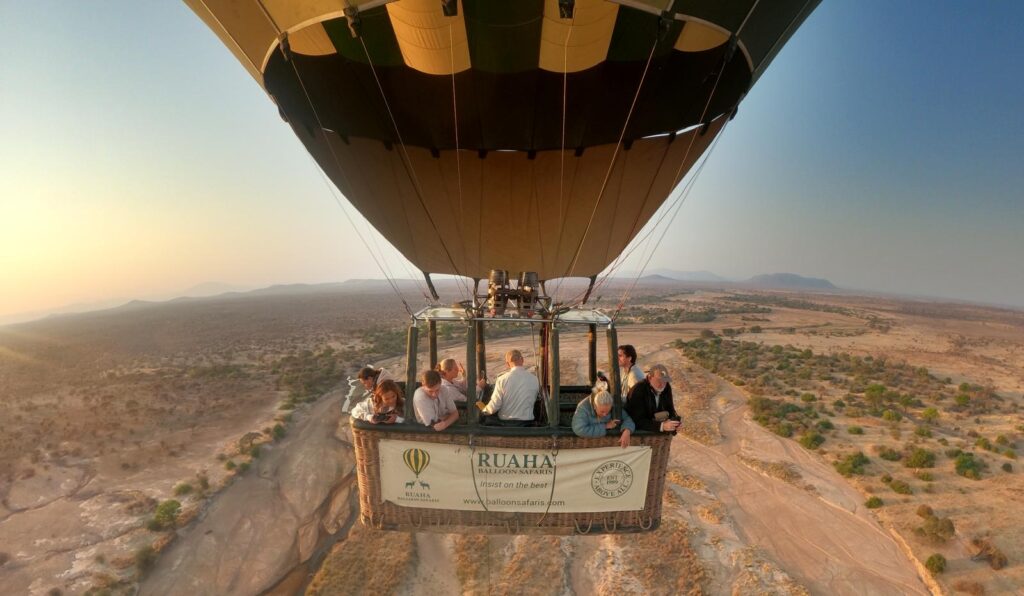
One of the memorable experiences was taking to the skies with Serengeti Balloon Safaris. Floating silently above the magnificent scenery of Ruaha, with its winding rivers and endless wilderness, offered a completely different perspective. Simply spectacular!
 |
Zanzibar – an island on the move
From the bush to the beach, my journey continued to Zanzibar to attend the Essence of Africa trade show.
This island is changing just as rapidly as the mainland. New developments are everywhere, and Tanzania is gearing up to co-host the 2027 Africa Cup of Nations with Kenya and Uganda. Preparations are underway, with considerable investment in infrastructure and hospitality facilities.
The trade show offered a valuable opportunity to reconnect with familiar faces, meet new industry players and hear first-hand about new developments, challenges and opportunities.
And this is exactly why I believe it is so important to travel, explore and meet the people working on the ground. Websites, brochures and pretty Instagram pictures only tell part of the story.
So, what do I make of Tanzania?
I returned home with a head full of impressions, new ideas and quite a few questions.
Tanzania has extraordinary potential. Its wilderness areas are magnificent, its safari offering is diverse with some truly beautiful lodges and camps getting things right.
However, the rapid pace of development also makes me wonder about the direction things are taking. How do you balance international investment and luxury tourism with the needs of local communities? How do you protect the very landscapes and cultures that make Tanzania so special?
I don’t pretend to have all the answers.
What I do know is that Tanzania is a fascinating destination in motion. It is evolving, reinventing itself and finding its place in an increasingly competitive African safari market.
I went south to explore, headed to Zanzibar to reconnect with the industry and came home with a much greater appreciation of the many different worlds that exist within one country.
A safari to Tanzania is indeed a mind-fuck.
And perhaps that is exactly what makes it so interesting.

Recent Posts
Categories
Categories
Archives
Archives
Tags
Tags
Contact your
Safari expert now
+27 686 1971 (BOTSWANA)+49 306 7809803 (GERMANY)


 Botswana
 South Africa
 Germany
 England