


 +267 686 1971
 info@gondwanatoursandsafaris.com
.jpg)


Blog
Roads Less Travelled – A Journey to Zambia’s Lesser-Known Safari Gems

Posted on 28th January 2026
From Mark Hathaway’s travel journal
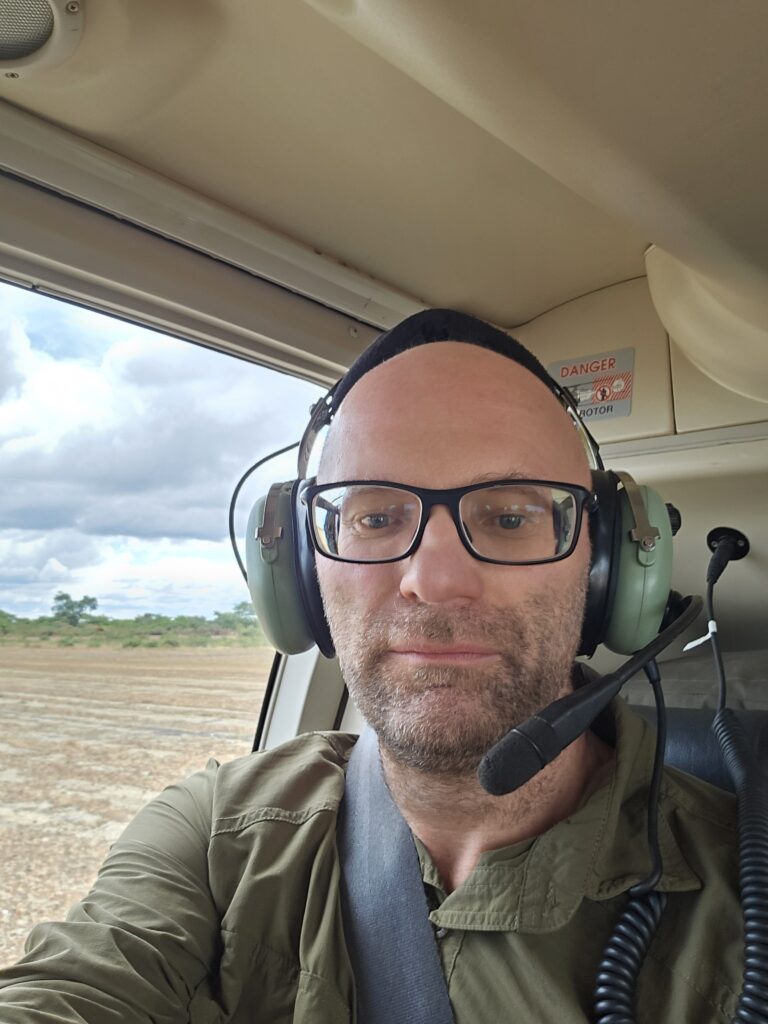 |
Although less well known than mainstream safari destinations like Kenya or South Africa, Zambia has long been recognised by safari connoisseurs as offering one of Africa’s finest safari experiences. Parks like South Luangwa have a long and continuous history of wildlife conservation and superb safari camps. It was here, in the Luangwa Valley, that the legendary Norman Carr pioneered photographic – and later walking safaris as far back as 1950! Most visitors to Zambia will only visit two parks – South Luangwa and Lower Zambezi. There’s no doubt both parks offer outstanding game viewing and we wouldn’t hesitate to recommend either. But on my visit to Zambia last November, I wanted to explore two of Zambia’s lesser-known safari parks – Kafue and Liuwa Plains National Parks. Sharing borders with Botswana, Zimbabwe and Namibia to the south and Tanzania to the north, the vast country of Zambia is easily accessible. There are numerous international flights into the capital Lusaka as well as direct flights from Johannesburg to Lusaka and Livingstone. Easy road transfers from Kasane in Botswana or Victoria Falls town to Livingstone are another option. |
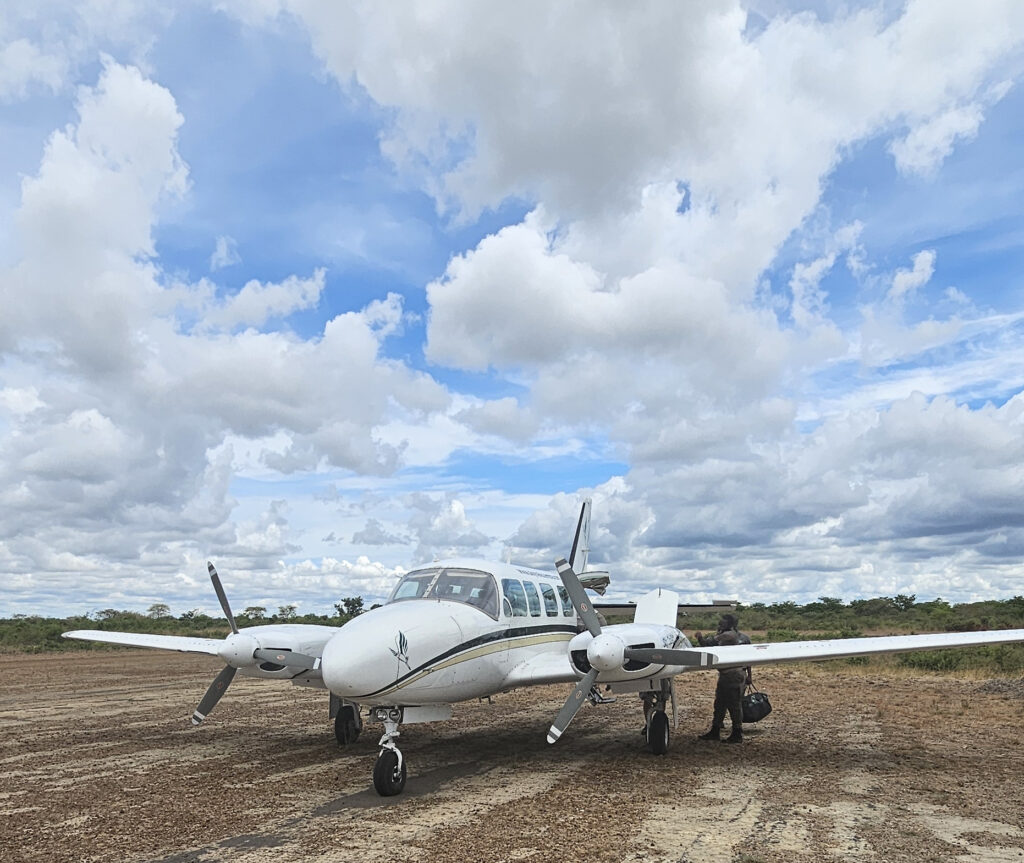
My Zambia adventure began in Lusaka, the main gateway for most visitors. I enjoyed a night at Latitude 15, one of my favourite boutique city hotels in Africa. Bright and early at 4:30amthe next morning I caught my transfer to the airport and then a private charter flight at 6am to my first stop, Kafue National Park. But the weather had other plans – more on this later!
Kafue National Park is vast. At 22,400 square kilometres, it’s Zambia’s largest national park, comparable in size to Wales or the US state of Massachusetts. It’s more than double the size of the better known South Luangwa Park yet receives far less visitors.
With its diverse scenery and wildlife, this underrated park has a great deal to offer, and you could certainly spend your whole safari here. While it’s true that some areas of the park have sparse wildlife and have historically suffered from heavy poaching, other areas have benefited from many years of conservation and protection by a small group of dedicated camp operators and offer abundant game viewing to rival other more famous safari parks.
In 2022, African Parks, a nonprofit conservation group, took over the management of the park. With their resources, roads and infrastructure have been upgraded and regular anti-poaching patrols both on foot and by helicopter have led to a massive reduction in poaching.
 |
 |
 |
Another highlight is the presence of small ‘genuinely owner operated’ independent bush camps within the park known for superb guiding and highly personal service. A classic example is the dynamic guide duo of Tyrone McKeith and Phil Jeffrey, owners of the small Musekese Camp in the north of the park and the seasonal Ntemwa Busanga Camp in the magnificent Busanga Plains in the far north of Kafue. Through their passionate conservation and anti-poaching programmes they have transformed the area around Musekese into a thriving wildlife area. They were our hosts for this trip to Kafue and their Busanga camp was meant to be our destination on that 6am flight. Which brings us back to early morning at Lusaka airport! |
When we arrived I met the rest of the group and Tyrone, who despite the early hour was full of smiles and energy. Unfortunately, he also had bad news – a reminder that in Africa plans can change very quickly.
The unexpectedly early onset of the rainy season and a torrential storm had washed away the only airstrip in the Busanga region making it impossible to land there. Busanga Plains is extremely remote and flying in is the only practical way to reach it from Lusaka.
Their Musekese Camp would have been the perfect alternative as it’s accessible by road from Lusaka but sadly it was fully booked. So, in true African fashion, Tyrone came up with a last minute plan – not easy given the very small nature of most Kafue camps and limited availability.
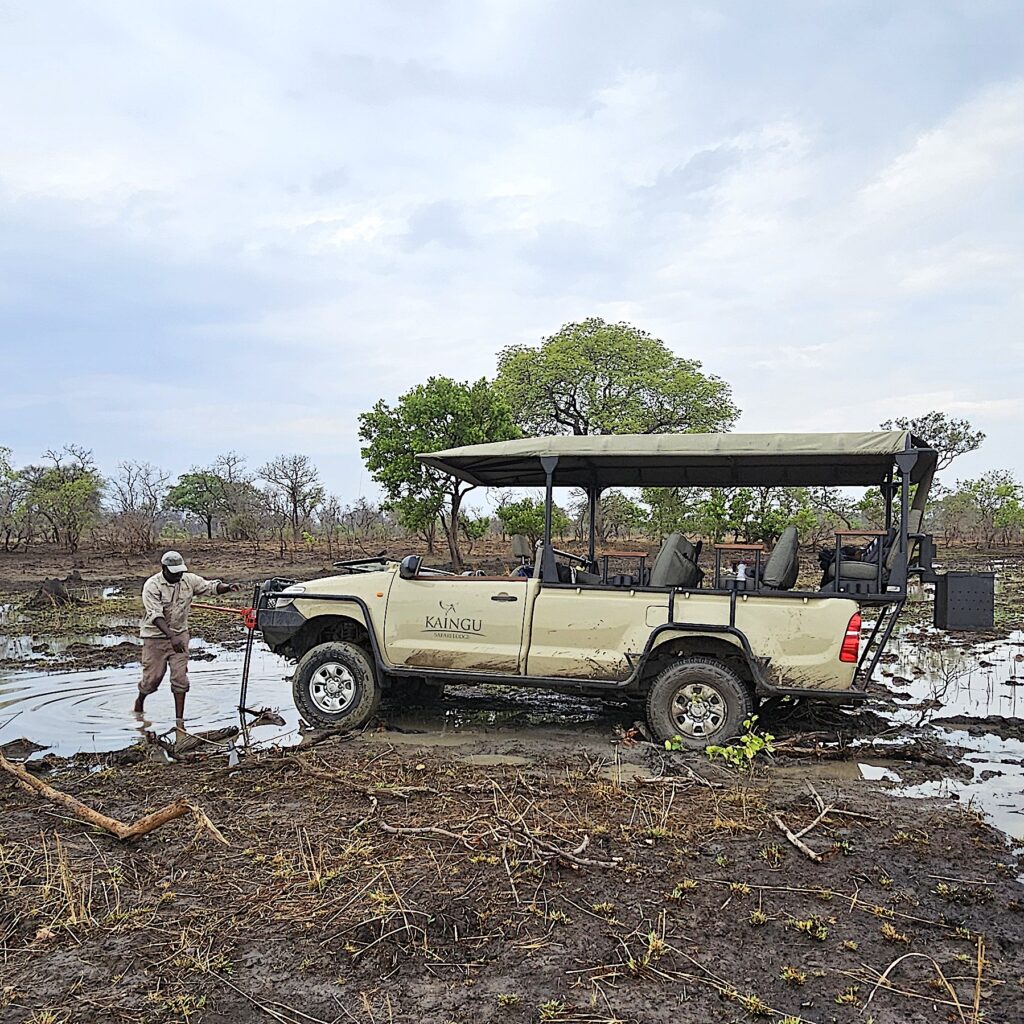
After an overnight stop at another camp and some long road transfers, we arrived at the lovely KaingU Lodge. With just six tented rooms overlooking the Kafue River, KaingU is small and intimate in a beautiful location in central Kafue. The final transfer is by boat across the river which was a magical way to arrive. We were welcomed by co-owners and long-time managers Gil and Julia. They were not only wonderful hosts but Gil was a wealth of knowledge about all things Kafue and is clearly passionate about the park.
This area of park doesn’t have the same levels of game as further north. And with the rain making game drives difficult, wildlife sightings were limited. But this proved to be a blessing as we could then focus on what makes this area so special – the boat trips on the Kafue River.
 |
 |
 |
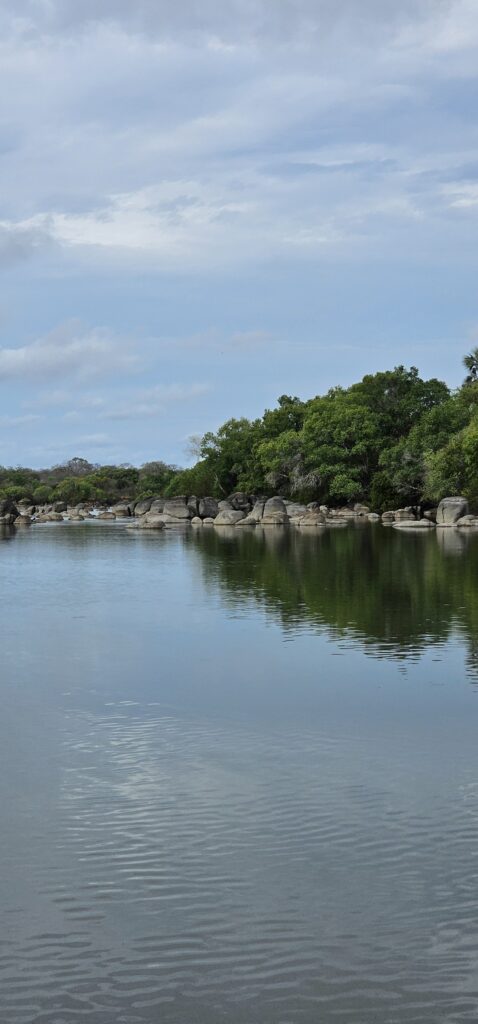
This stretch of river is one of the most beautiful I’ve ever seen in a safari park- a maze of tree fringed channels, filled with boulders and rock formations. Early morning boat trips were especially atmospheric, with the mist rising off the river it felt like something out of The Lord of the Rings.
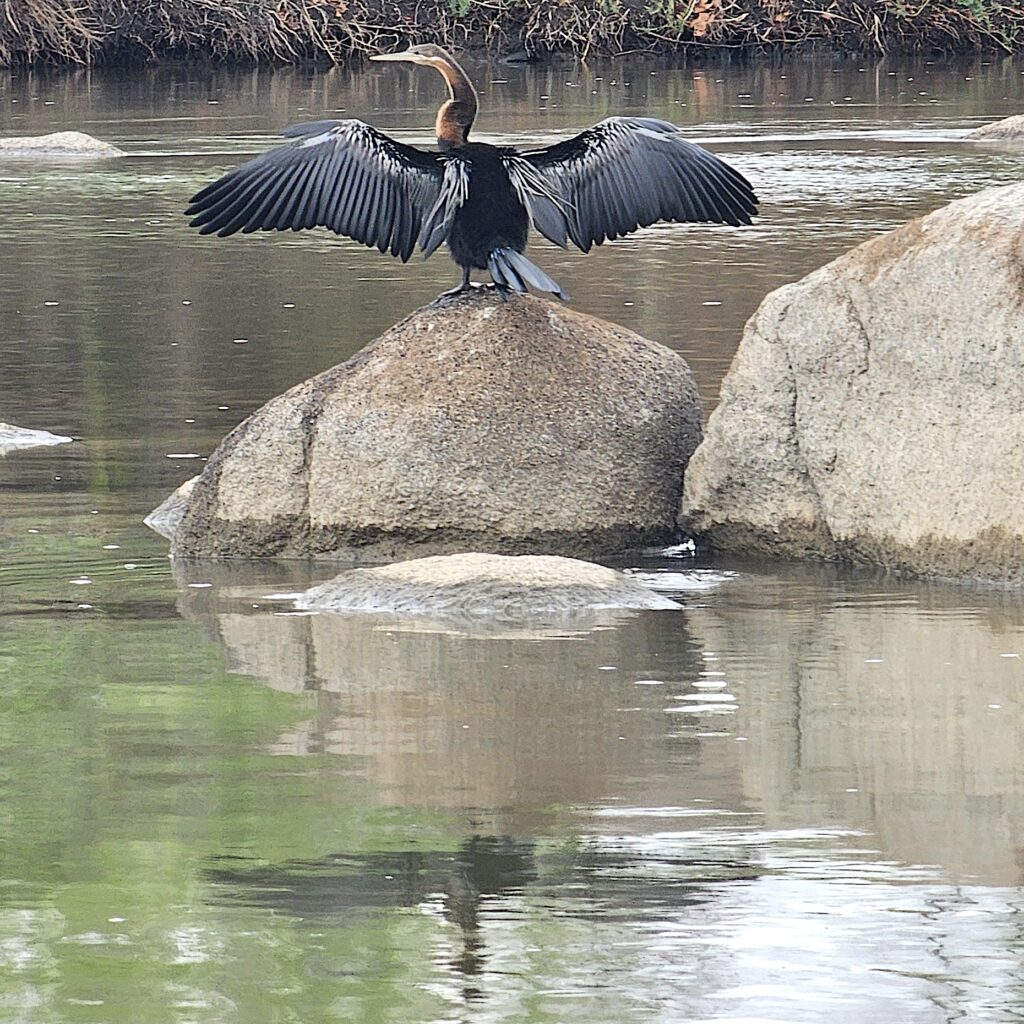
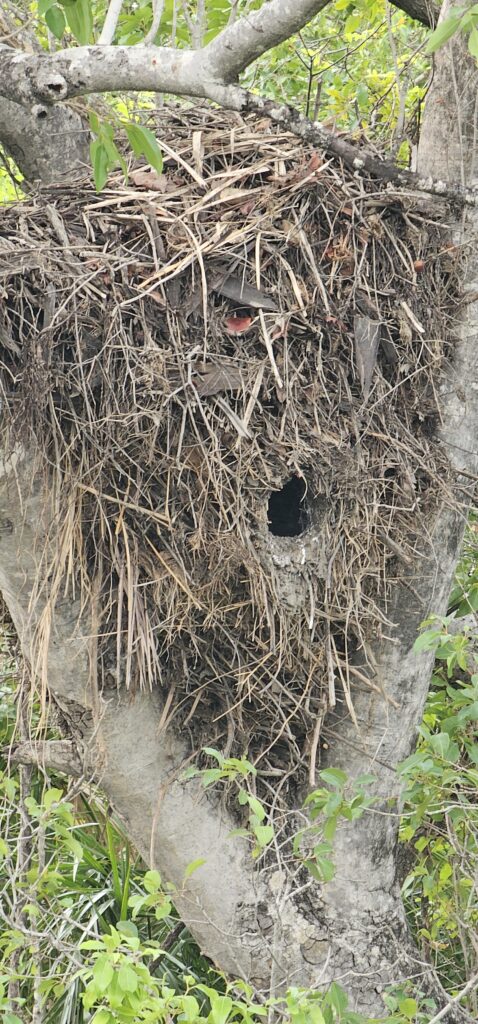
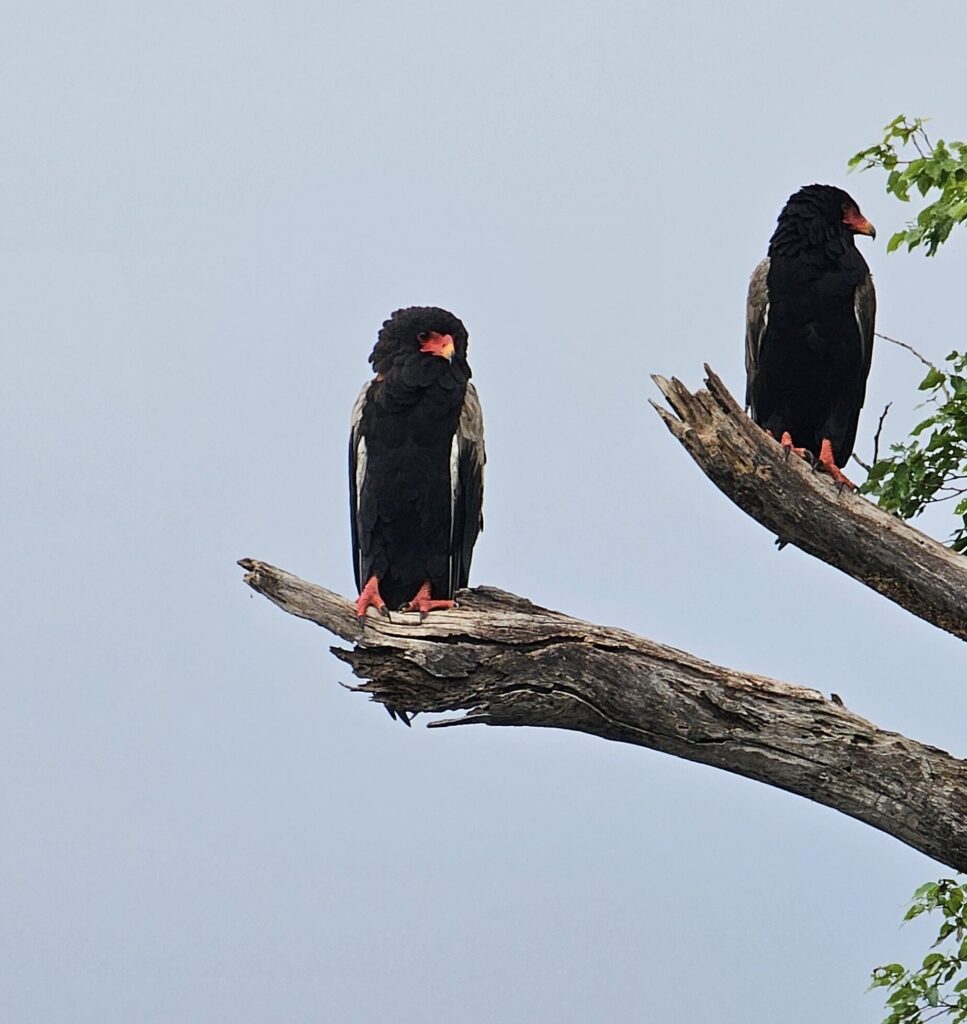
There wasn’t much big game along the river but the birding was sensational, and we were dazzled by a huge range of species including kingfishers and little bee-eaters. We were also serenaded by the strange crying baby sounds of the Trumpeter Hornbill. At camps like this the guide is especially important and luckily KaingU has a superb guide team. Guides like David and Israel have been with the camp for many years and their knowledge and enthusiasm really brought this area to life.
KaingU is close to the only all-weather airstrip in Kafue so there were no issues with the flight to our next destination. And that was fortunate as we were heading to Liuwa Plains Park. If the Busanga Plains area of Kafue seems remote, then Liuwa Plains takes it to the next level!
 |
 |
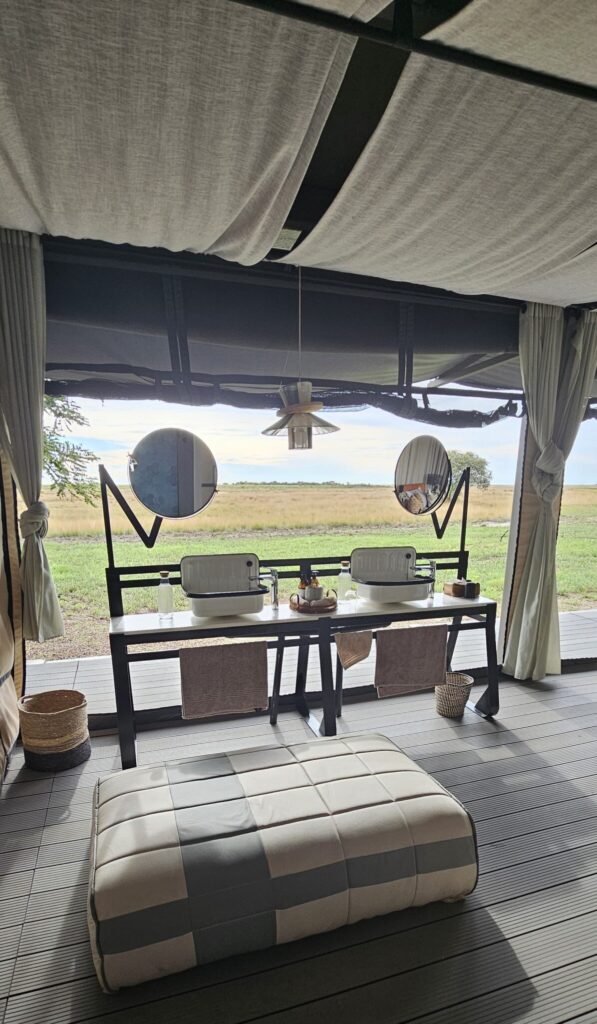 |
King Lewanika Lodge – Liuwa Plains
An almost mythical safari park, Liuwa Plains is a vast grassland in the far west of Zambia. Located 750 km from Lusaka and with no scheduled flights operating into the region, access to the park has been difficult and expensive with the first permanent camp, King Lewanika only opened by Time and Tide in 2017.
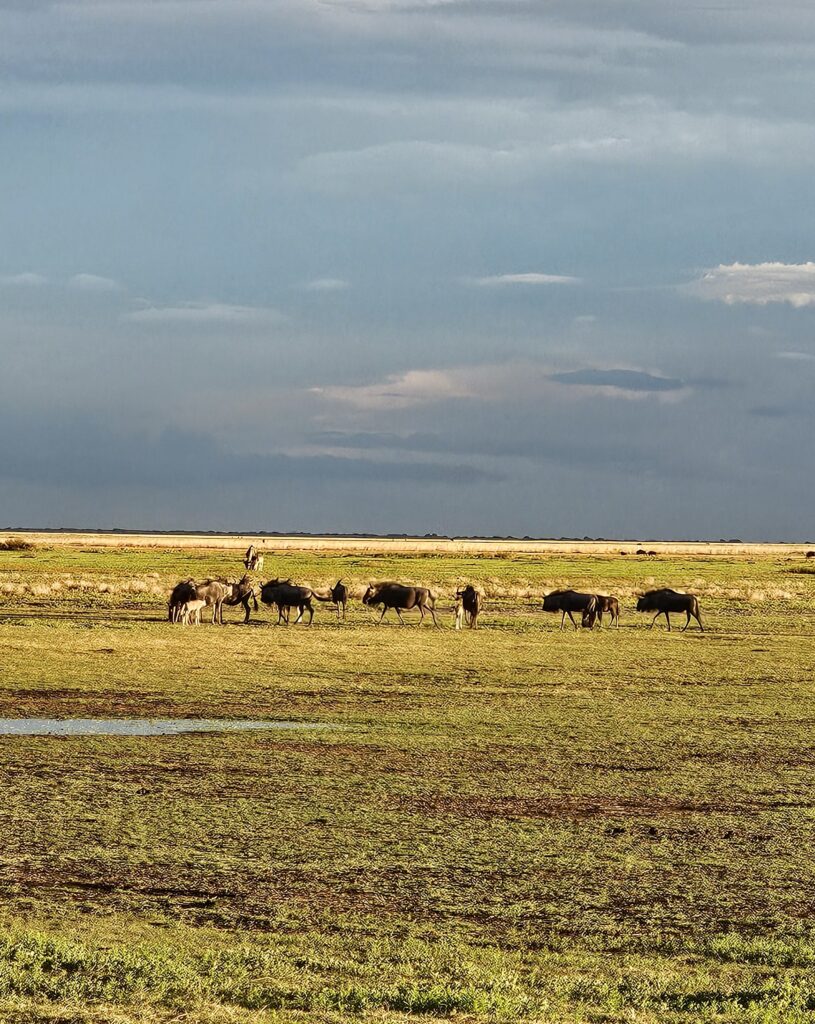
This is a spectacular park, home to Africa’s second largest wildebeest migration. Historically the park suffered badly from a lack of resources, poaching and human/wildlife conflict with villages in and around the park, which took its toll on the wildlife population. Lady Liuwa the Park’s last remaining lioness became famous- but only as a result of the rest of the lion population being wiped out.
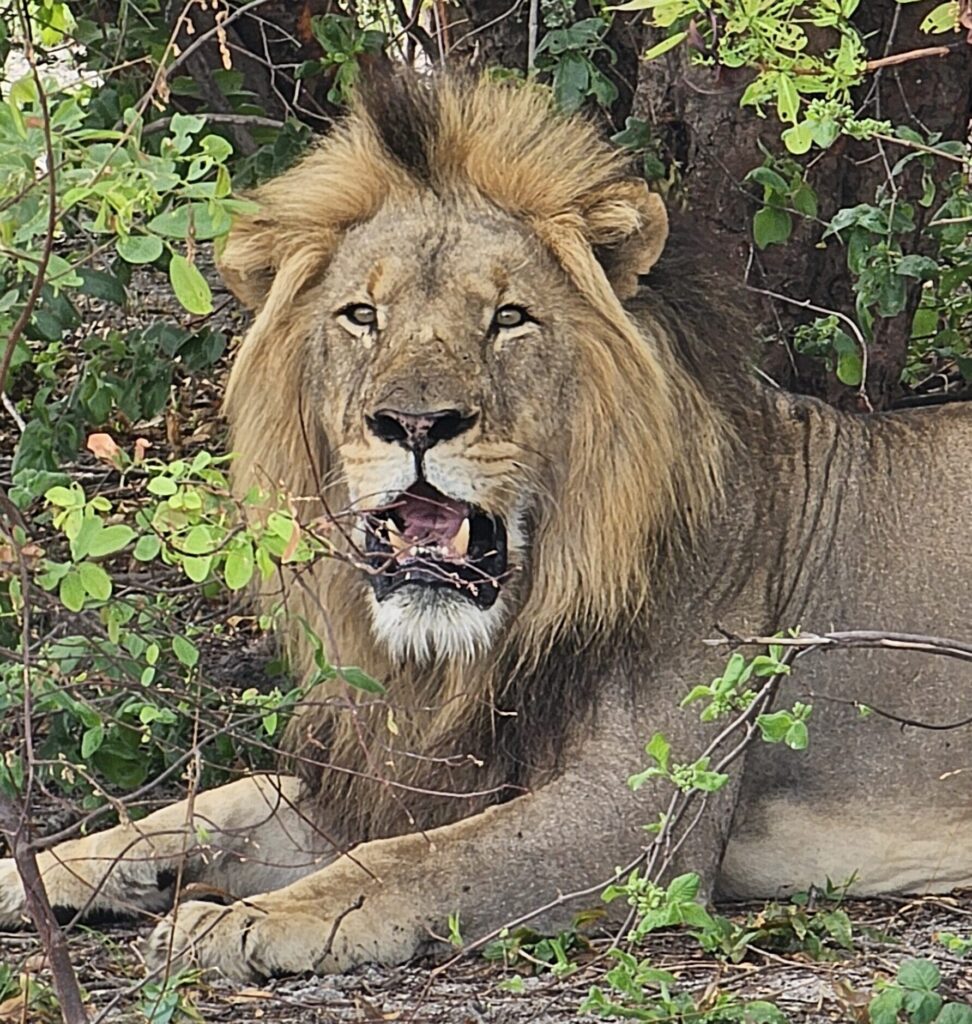
With no lions around, hyenas became the top predators and the park became famous for its large hyena clans that roamed the park actively hunting. But in 2003 African Parks took over management of the park and over the past 20 years this wilderness has been transformed. Lions were reintroduced and are now thriving, and wild dogs and cheetahs are now also found. Regular anti-poaching patrols protect the wildlife and a radical programme of collaring predators helps researchers to track them and warn villages when they get close.
In 2025 Ker & Downey took over King Lewanika Camp adding it to their collection of superb camps in Botswana. With their marketing resources and the introduction of more affordable flights from Lusaka this year, Ker & Downey will be able to boost visitors to this superb park.
|
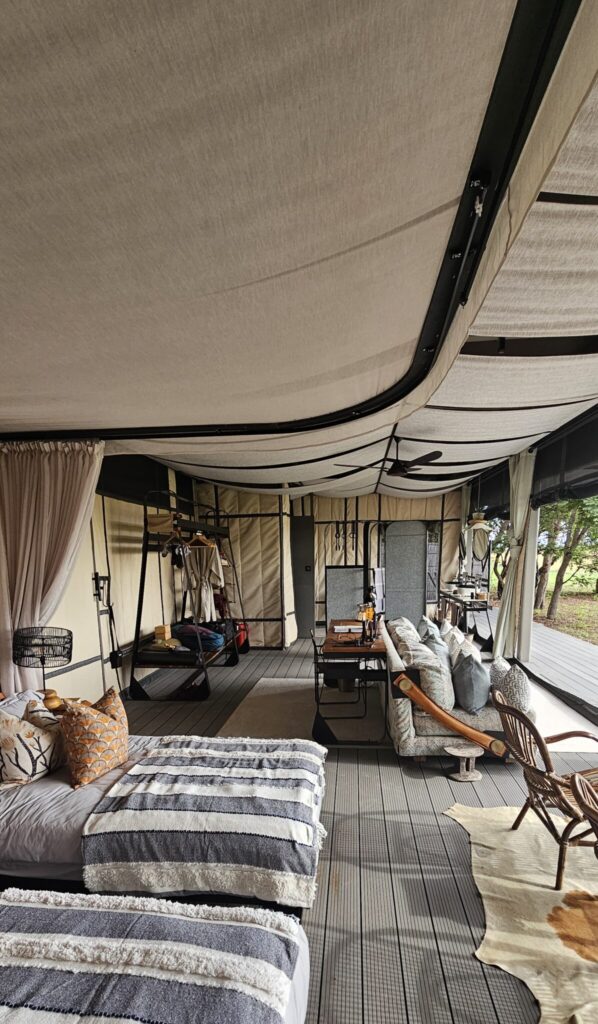
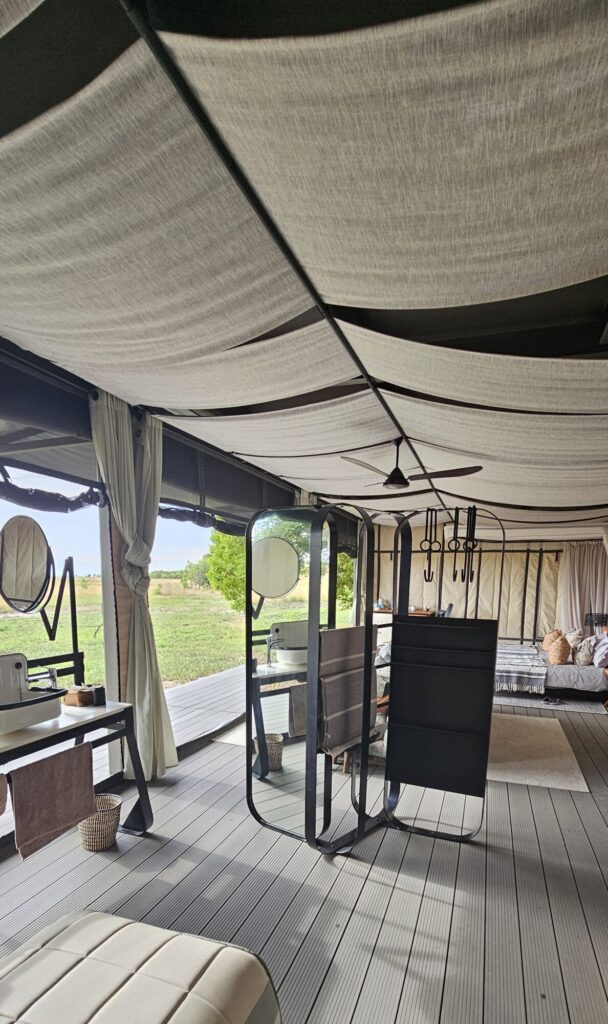
Liuwa Plain is somewhere I’ve wanted to visit for many years so when Ker & Downey invited me to King Lewanika my answer was an immediate yes! Our plane landed in the small town of Kalabo just outside the Liuwa Plains and from there it was just a short helicopter ride to the lodge. Seeing the sweeping plains from the air was breath-taking. On landing we were greeted by the entire camp staff who serenaded us into the lodge. With just six large, tented rooms, King Lewanika is located in a remote area with stunning views over the vast plains. November is the classic start of the wildebeest migration and with the first rains the herds move from the forests onto the open plains for fresh grass. Already large numbers of wildebeest were seen grazing together with zebras. Over the next few days we explored the plains on game drives, tracking the lion prides, cheetah and the large hyena clans. On one occasion we found hyenas lounging around a waterhole – their bloody mouths and well-fed bellies clearly showing they had fed recently. We soon spotted a wildebeest skull – all that was left of their kill. |
|
 |
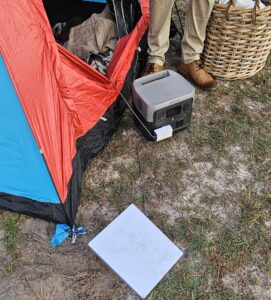 |
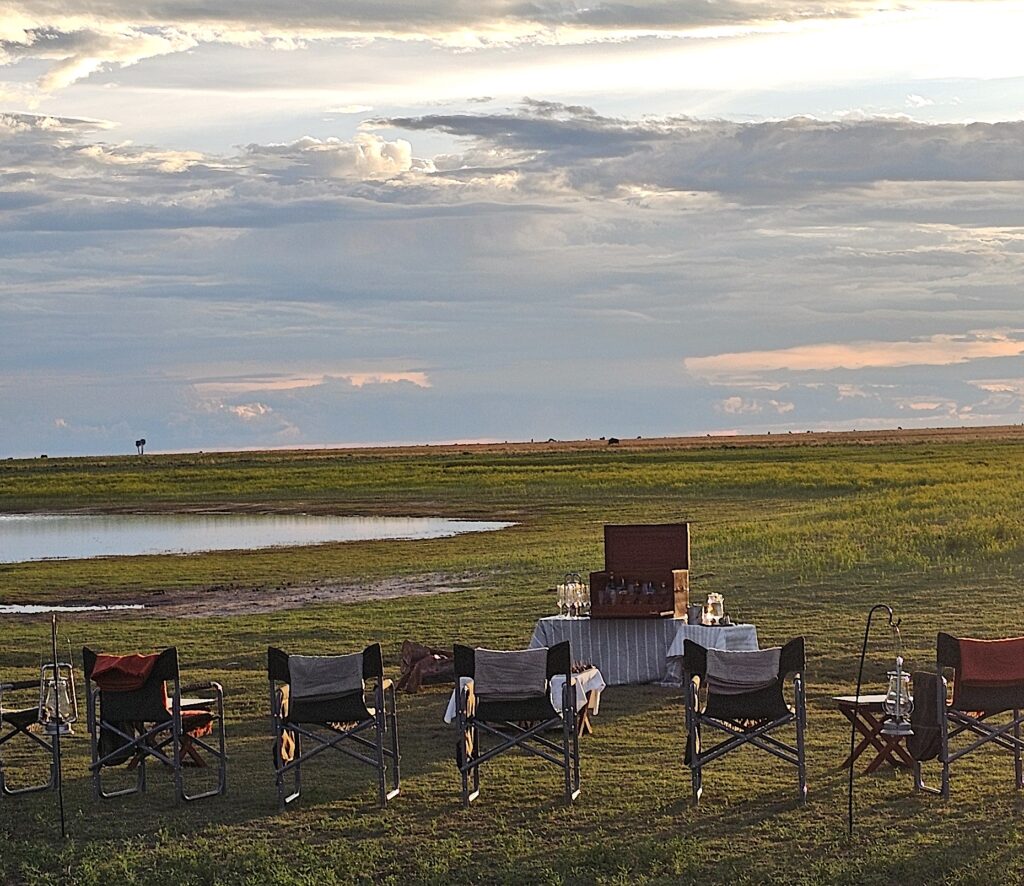
One night we had the chance to do a ‘fly camp’. Sleeping out under the stars with the calls of lions and hyenas surrounding us was one of the highlights of the trip. But with our trusty armed ranger and guides keeping watch we felt perfectly safe.
 |
 |
 |
 |
All too soon, our three nights in Liuwa Plains was over and it was time to head to Livingstone for our onward flights. This trip through these two unique and very different safari parks is one that I will remember for many years…
 |

Recent Posts
Categories
Categories
Archives
Archives
Tags
Tags
Contact your
Safari expert now
+27 686 1971 (BOTSWANA)+49 306 7809803 (GERMANY)


 Botswana
 South Africa
 Germany
 England